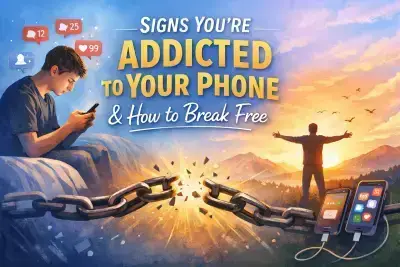
Signs You’re Addicted to Your Phone And How to Break Free
Learn the signs of phone addiction and discover effective strategies for a digital detox to reduce screen time and improve your mental health today.
In the modern era, our smartphones have transitioned from being simple communication tools to becoming extensions of our very selves. We use them for work, navigation, entertainment, and social connection. However, there is a thin line between utility and obsession. If you find yourself reaching for your device before you’ve even opened your eyes in the morning, you might be dealing with phone addiction.
Understanding the impact of mental health and technology is crucial in a world that never sleeps. While technology offers immense benefits, the constant barrage of notifications and the dopamine loops of social media can lead to burnout, anxiety, and a fragmented attention span. This guide explores the warning signs of digital dependency and provides actionable steps to help you reduce screen time and reclaim your life.
Recognizing the Red Flags of Phone Addiction
How do you know if your relationship with your device has become toxic? Addiction isn’t always about the total hours spent on a screen; it’s about the psychological and physical compulsion to stay connected. Here are the most common signs that it is time for a digital detox:
- Phantom Vibration Syndrome: You frequently feel your phone vibrating in your pocket, only to find there is no notification. This is a sign that your brain is hyper-vigilant and over-sensitized to digital stimuli.
- The “First and Last” Habit: Your phone is the first thing you touch when you wake up and the last thing you see before you sleep. This behavior disrupts your circadian rhythm and prevents your brain from entering a restful state.
- Social Withdrawal: You find yourself scrolling through your feed while at dinner with friends or family. If digital interactions are replacing face-to-face quality time, your social health is at risk.
- Escapism: You use your phone to avoid uncomfortable feelings, such as boredom, sadness, or anxiety. Instead of processing emotions, you numb them with endless scrolling.
- Physical Strain: “Text neck,” eye strain, and carpal tunnel symptoms are physical manifestations of excessive phone use that many ignore until they become chronic.
The Impact of Technology on Mental Health
The link between mental health and technology is well-documented by researchers. Constant connectivity creates a state of “continuous partial attention,” where we are never fully present in any single task. This leads to increased cortisol levels—the body’s primary stress hormone.
Social media, in particular, fosters a culture of comparison. When we see the curated “highlight reels” of others, it can trigger feelings of inadequacy and FOMO (Fear Of Missing Out). To protect your well-being, you must learn how to unplug from technology and set firm boundaries between your digital and physical worlds.
Strategic Ways to Reduce Screen Time
Breaking a habit as ingrained as phone use requires more than just willpower; it requires a change in your environment. Here are several strategies to help you gain control:
1. Turn Off Non-Human Notifications
Most notifications are distractions from apps trying to sell you something or keep you engaged. Disable all notifications except for those from actual people (calls and texts). This puts you back in the driver’s seat when you check your phone.
2. Establish No-Phone Zones
Designate specific areas of your home, such as the dining table and the bedroom, as tech-free sanctuaries. Keeping the phone out of the bedroom is perhaps the single most effective way to improve sleep quality and reduce morning anxiety.
3. Use the “Grayscale” Trick
Modern smartphone interfaces are designed to be visually stimulating. By switching your phone display to grayscale, you remove the vibrant colors that trigger dopamine hits, making the device significantly less appealing to use.
The Path to a Successful Digital Detox
A digital detox doesn’t mean moving to a cabin in the woods and throwing your phone in a lake. It is about a conscious “reset.” Start small by committing to a tech-free hour every evening. Gradually increase this to a full day over the weekend. During this time, engage in tactile hobbies like reading a physical book, gardening, or hiking.
If you find that self-discipline isn’t enough, it might be time to invest in professional guidance. The journey to disconnection is easier when you have a roadmap. For those serious about reclaiming their focus, we highly recommend the Unplug Video Upgrade. This comprehensive resource provides deep insights and advanced techniques to help you master your digital habits and live a more present, intentional life.
How to Unplug From Technology Long-Term
Sustainability is key. To ensure you don’t fall back into old patterns, you must replace your phone habits with meaningful alternatives. When you feel the urge to reach for your phone out of boredom, have a “menu” of other activities ready: a 5-minute meditation, a quick walk, or even just sitting quietly with a cup of tea.
Remember, the goal is not to eliminate technology but to ensure that it serves you, rather than you serving it. By taking the steps to reduce screen time today, you are investing in a future of better mental clarity, stronger relationships, and improved physical health.
Conclusion
Phone addiction is a silent thief of time and mental peace. By recognizing the signs early and implementing a structured plan to unplug from technology, you can break the cycle of dependency. Whether through simple habit changes or utilizing tools like the Unplug Video Upgrade, the power to reclaim your attention is in your hands.
Start your journey toward a healthier digital life today. Put your phone down, take a deep breath, and look at the world around you. There is so much more to see than what fits on a five-inch screen.